
Does Homeowners Insurance Cover Roof Replacement? An Adjuster Explains

Eric Sanders
Owner, Sands Roofing & Construction
In This Article
Does Your Homeowners Insurance Cover a New Roof?
This is one of the most common questions I get from homeowners — and as both a roofing contractor and a licensed South Carolina insurance adjuster, I can give you a more complete answer than most.
The short answer: Yes, homeowners insurance typically covers roof replacement if the damage was caused by a covered peril — wind, hail, fallen trees, or other sudden events. It does not cover roofs that need replacement due to age, wear, or lack of maintenance.
But the details matter, and understanding them can be the difference between a fully covered replacement and an out-of-pocket expense.
What Insurance Covers (and What It Does Not)
Covered Perils
Most standard homeowners policies in South Carolina cover roof damage from:
Wind damage — missing shingles, lifted edges, exposed underlayment
Hail damage — bruised or cracked shingles, dented flashing, granule loss from impact
Fallen trees or branches — impact damage to the roof structure
Fire — including damage from neighboring structure fires
Lightning — direct strikes and resulting damage
South Carolina sees its share of severe weather. Thunderstorms, tropical systems, and occasional hail events cause legitimate roof damage across the Midlands every year. If your roof was damaged by any of these events, you likely have a valid claim.
What Is Not Covered
Insurance is designed for sudden, accidental damage — not gradual deterioration. Your policy will typically exclude:
Normal wear and aging — shingles that have simply reached the end of their lifespan
Lack of maintenance — damage that could have been prevented with routine care
Cosmetic damage — some policies exclude hail damage that is cosmetic only (dents without functional impairment)
Pre-existing damage — issues that existed before the policy was in force
This distinction is important. A 25-year-old roof that is showing its age is a maintenance issue. That same roof with fresh hail hits across the surface is storm damage — even if the roof was already old.
ACV vs. RCV: Understanding Your Policy Type
This is where many homeowners get surprised, and it is worth understanding before you file a claim.
Replacement Cost Value (RCV)
An RCV policy pays the full cost to replace your roof with comparable materials, minus your deductible. This is the better type of coverage and what most standard policies provide for roofs under a certain age.
Example: Your roof replacement costs $15,000. Your deductible is $2,500. Insurance pays $12,500.
Actual Cash Value (ACV)
An ACV policy factors in depreciation. If your roof is 18 years into a 30-year lifespan, insurance considers it 60% depreciated and pays accordingly.
Example: Same $15,000 replacement, same $2,500 deductible. But with 60% depreciation, insurance calculates the value at $6,000, minus your $2,500 deductible — leaving you with just $3,500.
Many insurers in South Carolina have shifted older roofs (typically 10–15+ years) to ACV coverage, even within RCV policies. Check your declarations page or call your agent to confirm which type of coverage your roof has.
The Claims Process: Step by Step
Having been on both sides of the claims process — as a contractor and as a licensed adjuster — here is what you should expect:
1. Document the Damage
After a storm, take photos of any visible damage from the ground. Do not climb on your roof. Note the date of the storm and any immediate concerns like active leaks.
2. Schedule a Professional Inspection
Before filing a claim, have a qualified roofer inspect your roof. A free roof inspection from a reputable contractor will identify whether you have legitimate storm damage worth filing a claim for. This step is important because filing claims that get denied can affect your insurance record.
3. File Your Claim
Contact your insurance company to report the damage. They will assign a claim number and schedule an adjuster visit. In South Carolina, insurers are required to acknowledge your claim within 15 days and begin investigation within 30 days.
4. Meet the Adjuster
The insurance company will send an adjuster to inspect your roof. This is a critical step. The adjuster's assessment directly determines what your claim pays.
This is where having a knowledgeable contractor matters. I recommend having your roofer present during the adjuster's inspection. A good contractor can point out damage the adjuster might miss, explain the scope of work needed, and ensure the assessment is thorough.
5. Review the Estimate
The insurance company will provide a scope of work and payment estimate, usually generated in Xactimate software. Review this carefully. Common issues include:
Missing line items (drip edge, ice and water shield, starter strips)
Incorrect measurements
Omitted areas of damage
Depreciation applied incorrectly
If the estimate seems low or incomplete, you have the right to dispute it.
6. Supplement if Necessary
If the insurance estimate does not cover the full scope of repairs, your contractor can submit a supplement — additional documentation requesting coverage for items the adjuster missed. This is a normal part of the process. Supplements are common and are not adversarial.
Common Mistakes Homeowners Make
Filing a Claim for a Non-Storm Issue
If your roof is failing due to age, filing a storm damage claim will result in a denial — and that denial goes on your claims history. Get a professional opinion first.
Waiting Too Long
Most policies require you to report damage within a reasonable time frame — typically within one year of the event, though some policies have shorter windows. Document damage promptly even if you are not ready to proceed immediately.
Signing with Storm Chasers
After major storms, out-of-state contractors flood the area offering to "handle everything with your insurance." Be cautious. These companies often:
Lack South Carolina licensing
Do not carry proper insurance
Disappear before warranty issues arise
May inflate claims in ways that create problems for you
Work with a local, licensed contractor who will be here next year and the year after.
Not Understanding Your Deductible
Your deductible applies before insurance pays anything. In South Carolina, many policies have percentage-based deductibles for wind and hail — often 2–5% of the dwelling coverage. On a home insured for $300,000, a 2% deductible is $6,000. Make sure you understand what you will owe out of pocket before proceeding.
Accepting the First Estimate Without Review
The initial insurance estimate is not necessarily the final word. If the scope is incomplete, request a re-inspection or have your contractor submit a supplement with detailed documentation.
When to Consider Filing a Claim
File a claim when:
You have confirmed storm damage from a professional inspection
The cost of repairs exceeds your deductible
The damage is from a covered peril
The storm event is recent and documented
Do not file a claim when:
The damage is cosmetic only and your policy excludes cosmetic damage
Repair costs are close to or below your deductible
The roof is simply old and worn out
How We Help With Insurance Claims
As a licensed South Carolina insurance adjuster and roofing contractor, I understand the claims process from both perspectives. When you work with Sands Roofing on an insurance claim:
We provide a thorough free inspection and honest assessment of whether you have a valid claim
We document all damage with photos and detailed reports
We meet with your insurance adjuster on-site to ensure nothing is missed
We review the insurance estimate and submit supplements when the scope is incomplete
We handle the paperwork so you can focus on your life, not your roof
We never recommend filing a claim unless we believe the damage is legitimate and the claim is worth pursuing. Our reputation in the Midlands communities we serve depends on doing right by our customers — not churning insurance claims.
Get a Straight Answer About Your Roof
If you think your roof has storm damage, or if you are unsure whether what you are seeing is storm-related or just aging, start with a free inspection. We will give you an honest assessment and help you decide the best path forward — whether that involves insurance or not.
Schedule your free inspection or call us at (803) 520-6154.
Eric Sanders
Owner, Sands Roofing & Construction
Licensed SC Insurance Adjuster
Eric founded Sands Roofing in 2014 in Lexington, SC. As both a roofing contractor and a licensed South Carolina insurance adjuster, he brings hands-on expertise to every project — from storm damage claims to full roof replacements. Sands Roofing is the Midlands' only TAMKO Diamond Elite contractor.
Related Articles
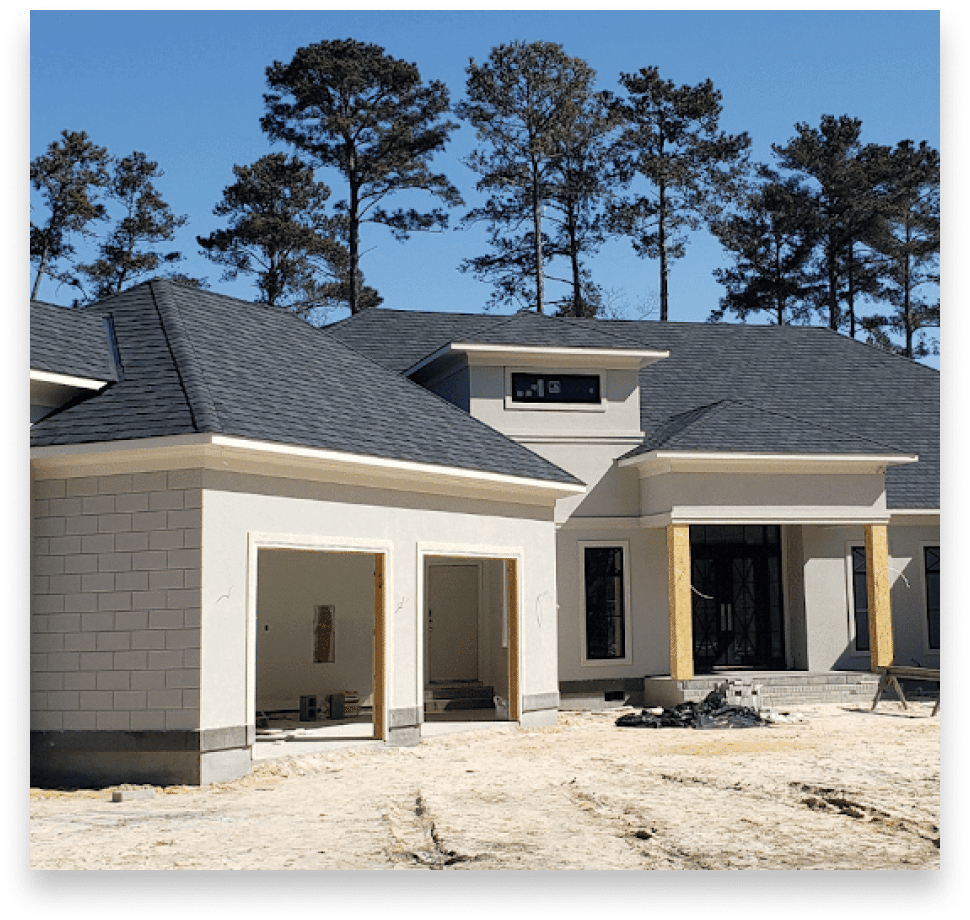
How to File a Roof Insurance Claim in SC
Step-by-step guide to filing a roof insurance claim in South Carolina. Learn how to document damage, work with adjusters, and avoid common mistakes.
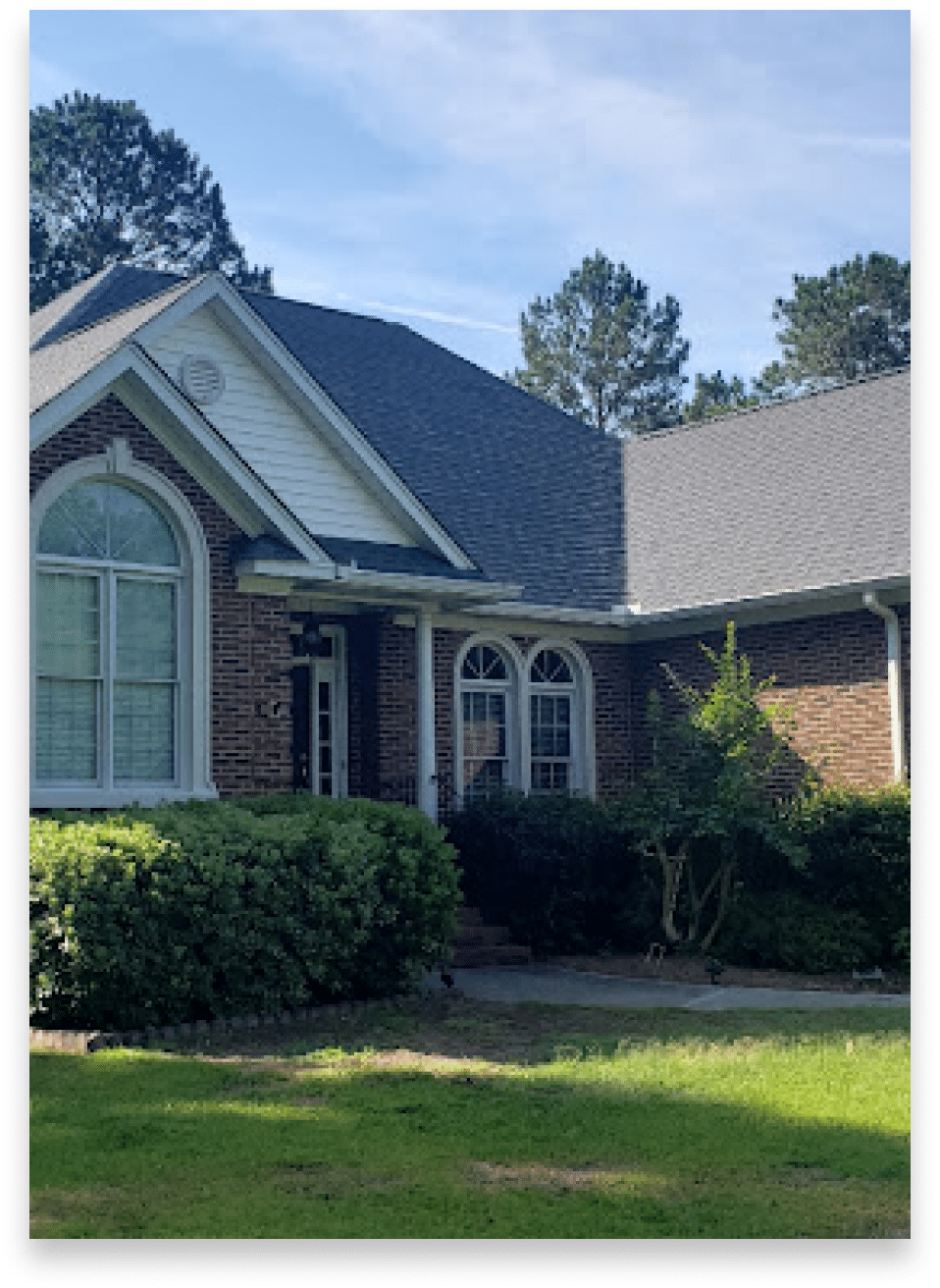
How Much Does a New Roof Cost in South Carolina? (2026 Guide)
Find out what a new roof costs in SC in 2026. We break down pricing by material, home size, and roof complexity — with real numbers from a local contractor.
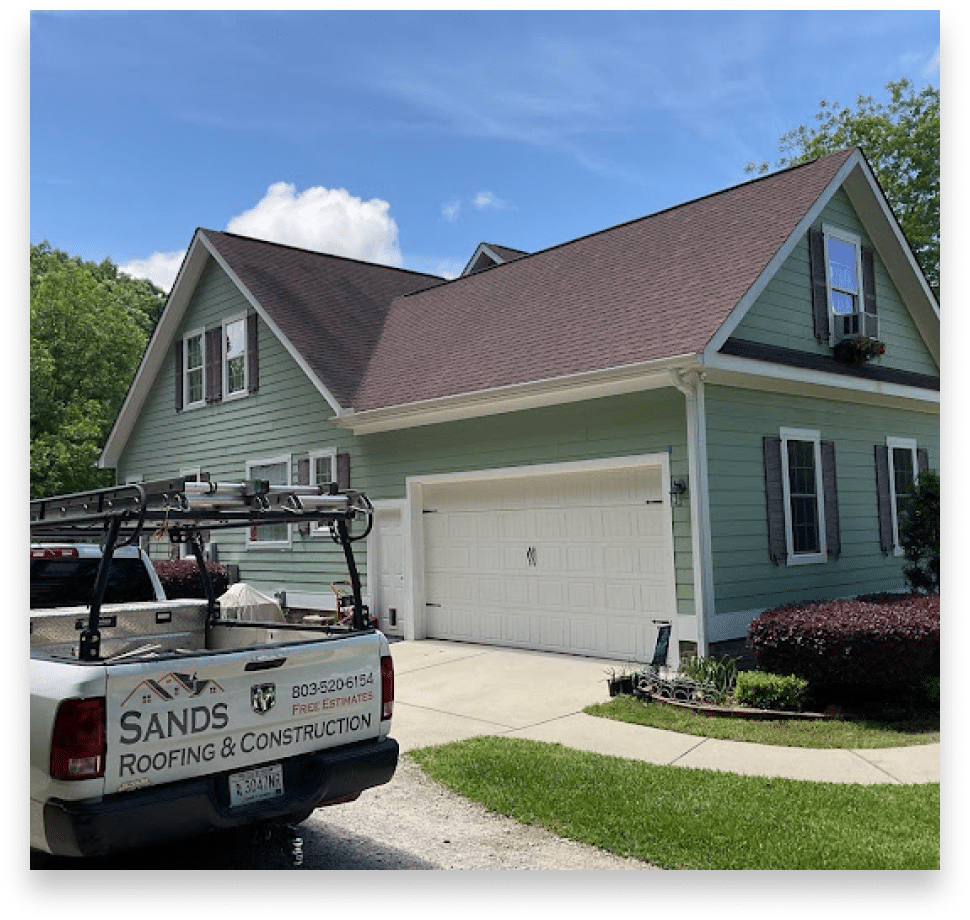
Metal Roof vs. Shingles: Which Is Best for SC Homes?
Comparing metal roofing and asphalt shingles for South Carolina homeowners. We break down cost, durability, energy efficiency, and which makes sense for your home.
Need Help With Your Roof?
Schedule a free, no-obligation inspection with our certified team.